Last Updated: October 25, 2026
Quick Summary
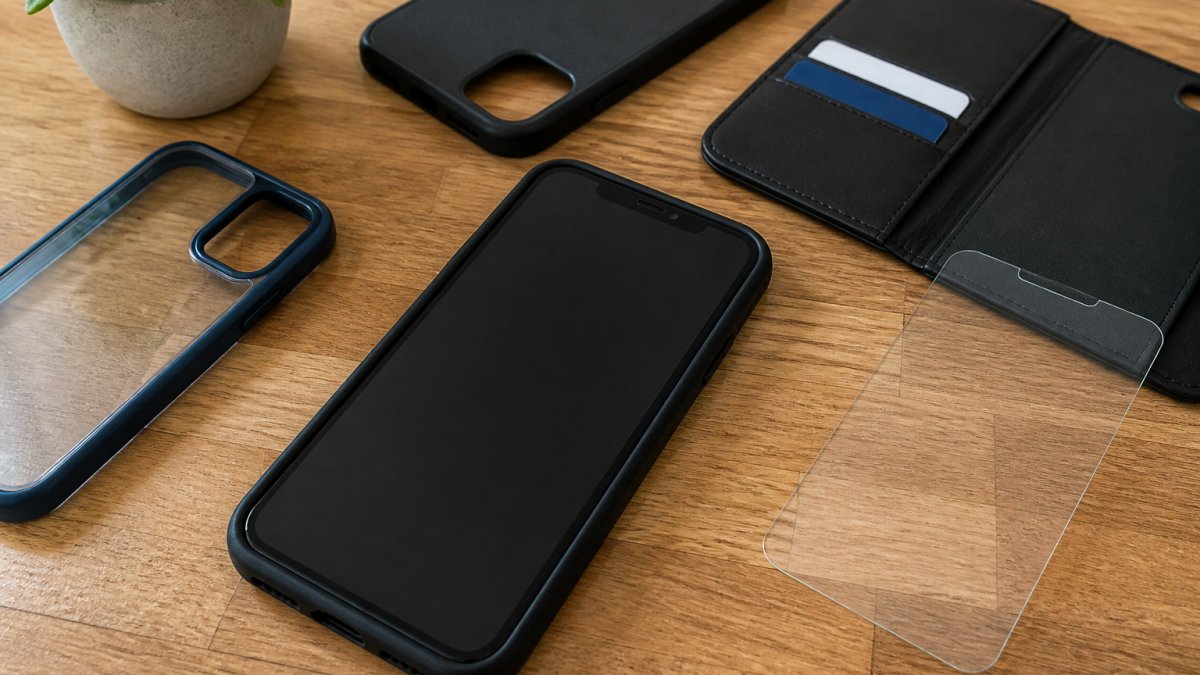
To prevent cracked screens, use a protective phone case with a raised bezel and reinforced corners paired with a tempered glass screen protector, and build daily habits that avoid common drop situations like shallow pockets and surfaces near edges.
- A phone case with a raised bezel of roughly 1 mm or more above the display creates an air gap so the screen never contacts a surface during face-down drops.
- Tempered glass protectors are stronger than plastic and shatter into small, dull pieces instead of sharp shards when they break.
- Most cracked screens happen during transitions like pulling the phone from a pocket, handing it to someone, or setting it down rather than during dramatic accidents.
- A case and protector work together: the case handles drop impact while the protector shields the screen from scratches and direct hits.
- After any drop or near-miss, inspect the corners and edges under light to catch small chips early before they spread into full cracks.
Table of Contents
- Why Cracked Screens Happen and How Prevention Saves Money
- Using a Protective Phone Case to Reduce Drop Damage
- Choosing a Phone Case with Screen Protection
- Best Screen Protector for Preventing Cracks
- Screen Protector vs Phone Case: Which Offers Better Protection
- Daily Habits to Prevent Accidental Drops
- How to Stop a Cracked Screen from Spreading
- When to Seek Professional Screen Repair
- Frequently Asked Questions
Why Cracked Screens Happen and How Prevention Saves Money
A cracked phone screen is one of the most common device damages, one drop and your screen shatters.
Repair costs vary by device and shop, but steps to prevent cracked screens avoid repair costs entirely and keep the crack from spreading into the display.
The real issue isn’t just money: a cracked screen drops touch sensitivity, hurts readability, and sharp glass edges can cut your fingers.
Using a Protective Phone Case to Reduce Drop Damage
A phone case is your first line of defense against drop damage, absorbing impact and spreading force across a wider area instead of concentrating it on the screen.
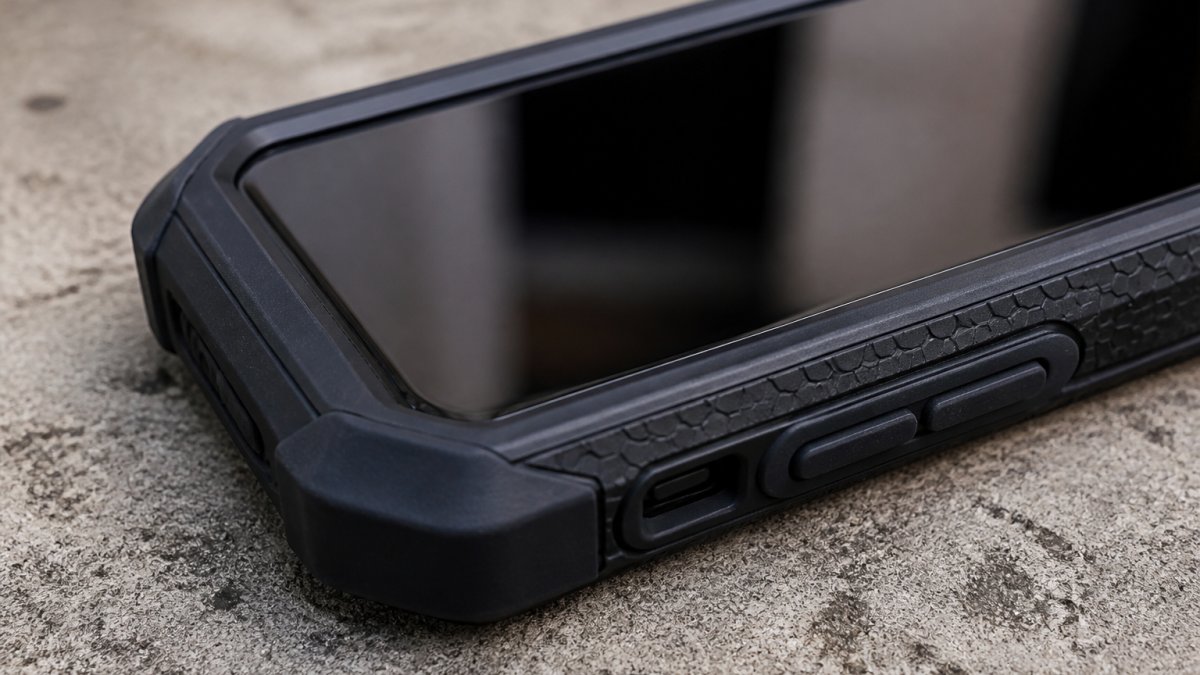
Hard-shell cases offer the best shock absorption, typically made from rigid plastic or rubber that takes a hit without cracking.
Look for cases with these features:
- Raised edges around the screen (called a bezel)
- Thick padding on the corners and back
- Textured grip to reduce accidental drops
A good case won’t prevent every crack, but it dramatically reduces the odds. Most phones that survive drops intact were in protective cases.
Choosing a Phone Case with Screen Protection
Picking the right case isn’t about buying the thickest option, it’s about matching the case’s geometry to how your phone actually meets the world, and making sure your screen protector fits inside that geometry. Most cracked screens happen at the edges and corners, so the details that matter most keep the display from touching a surface.
Start with bezel height, not bulk
The most useful spec is how far the case’s lip rises above the screen. A raised bezel creates an air gap so a face-down phone’s glass never contacts the surface.
A tall bezel has a trade-off: it can obstruct edge swipes and gesture navigation. If you use gesture controls, a moderate lip paired with a protector that stops short of the case edge usually feels better than a deep lip that crowds your thumb.
Match the case to the protector, not the other way around
Cases and protectors are sold separately but fail together when they don’t fit. Three compatibility points decide whether the combination works:
- Edge clearance: A full-coverage protector that runs to the phone’s edge will lift or bubble when a tight case presses on it. Choose a case-friendly protector (often sold as “case fit” or with a slightly inset edge) or a case with a soft, flexible lip that rides over the protector instead of pinching it.
- Corner coverage: Drop energy concentrates at corners. A case with reinforced corner pockets and a protector that covers the full display (not just the flat center) handles corner impacts better than either piece alone.
- Button and port cutouts: A case that is too tight around the buttons transfers pressure to the frame and can flex the phone slightly, which is exactly the motion that spreads a hairline crack. Check reviews from owners of your exact model for complaints about stiff buttons or a case that creeps up over the protector.
Buy the case and protector as a pair when a manufacturer sells a matched set. A matched set removes the guesswork about edge clearance and bezel height, and it is usually cheaper than buying two products that turn out not to fit together.
Match protection level to real risk, not to a label
Case marketing uses terms like “military-grade” and “drop-tested” loosely. Treat a drop-test claim as a starting point and ask what was tested: height, surface, and orientation. A waist-high drop onto concrete differs meaningfully from one onto plywood; if a listing doesn’t state height and surface, assume the claim is general.
A practical way to choose:
- Desk and indoor use: A slim case with a modest bezel and rubberized corners is enough. Bulk adds weight without adding protection you will use.
- Commuting, pockets, and bags: Prioritize grip texture and corner pockets. Most drops here are short falls from hand or pocket height onto pavement.
- Outdoor, job-site, or active use: A two-layer case with a hard polycarbonate shell over a rubber or TPU liner, plus a pronounced bezel, is the pattern most practitioners recommend. The hard shell spreads force; the soft liner absorbs it.
Check fit before you commit
A case that’s too loose lets the phone shift inside the shell, transferring impact to the frame and screen rather than absorbing it; too tight a case can trap grit against the frame and make the phone flex when you press buttons.
Inspect the case every few months: rubber liners harden and crack with heat and UV exposure, and a hardened liner stops absorbing impact. A case that has yellowed, stiffened, or lost its grip texture is no longer doing its job.
Best Screen Protector for Preventing Cracks
A screen protector sits on top of your phone’s display. It’s a thin layer of glass or plastic that takes hits meant for your actual screen. When something impacts your phone, the protector cracks instead of your screen.
Screen protectors work best paired with a phone case: the case handles drop impact, the protector shields your screen from scratches and minor impacts.
Tempered Glass vs. Plastic Protectors
Tempered glass protectors are the stronger option, treated glass tougher than regular glass but flexible enough to absorb shock.
Plastic protectors are thinner and cheaper, but easier to damage from impacts and more prone to dust and air bubbles than glass.
For preventing cracked screens, tempered glass is the clear winner, better protection, longer life, and the small extra cost pays for itself by preventing screen damage.
When installing a screen protector:
- Clean your screen completely with a microfiber cloth
- Remove dust with a sticky lint roller
- Align the protector carefully before pressing down
Watch out: cheap protectors with poor adhesive peel off within weeks, leaving your screen unprotected.
Screen Protector vs Phone Case: Which Offers Better Protection
This is the wrong question. You need both, not one or the other.
A phone case protects against drops and impacts to the body; a screen protector shields the display.
Think of it like a house. A case is the roof and walls.
Here’s the breakdown:
| Protection Layer | Stops What | Best For |
|---|---|---|
| Phone case | Drop damage, frame damage | Impact protection |
| Screen protector | Screen scratches, direct hits to display | Display protection |
| Both together | Most common damage scenarios | Maximum protection |
Most cracked screens happen when phones are dropped.
If you had to choose one, pick the case. It handles the most common failure mode.
Daily Habits to Prevent Accidental Drops
Most cracked screens aren’t caused by dramatic accidents. They come from a few repeatable situations: a phone sliding out of a shallow pocket, a bag strap catching a corner, a device set near a counter edge, or a one-handed grip that fails while the other hand is busy. Build your routine around those situations rather than general caution.
The pocket and bag routine
- Check pocket depth before you sit or stand. A phone in a shallow pocket slides out when you sit, get into a car, or bend down. If the pocket is shallow, use a bag or holster instead.
- Put the phone in screen-in, not screen-out. Facing the screen toward your body reduces the chance a corner catches on a chair arm or door frame and levers the phone out.
- Use a dedicated pocket or sleeve in bags. A phone loose in a bag collides with keys, cables, and water bottles. A padded sleeve or interior pocket keeps it from being struck by harder objects.
The surface routine
- Set the phone down screen-up and away from edges. Counters, desks, and tables are drop zones because a vibration, bumped elbow, or pet can send a phone over the side. Simple rule: if the phone is within a hand’s width of an edge, move it.
- Avoid setting the phone on soft or sloped surfaces. A couch cushion or bed lets the phone slide and fall to the floor, often onto a hard surface. A nightstand or flat, stable surface is safer.
- Use a stand or dock at the desk. A phone propped on a stand is less likely to be knocked over than one lying flat near the edge of a desk.
The handling routine
- Use two hands for anything that requires attention. Reading, typing a long message, or navigating while walking splits your attention and weakens your grip. Stop, use two hands, then move.
- Do not carry the phone on top of other items. A phone balanced on a stack of books or a coffee cup is one bump away from a fall. Carry it in a pocket, bag, or hand that isn’t also holding something else.
- Watch the hand-off moments. The most common drop points are transitions: pulling the phone out of a pocket, handing it to someone, setting it down, or picking it up. Slow down at those moments rather than during the whole day.
A prevention routine is not about being careful all day. It is about identifying the handful of transitions and surfaces where drops actually happen and building a habit around each one. Most people find that three or four small changes, such as a deeper pocket, a desk stand, and a two-handed grip for long tasks, remove most of their drop risk.
A quick inspection habit after any near-miss
Even a harmless-looking drop can start a hairline crack that spreads later. After any drop or near-miss, inspect the corners and edges under a light, run a finger along the glass for chips, and check whether touch works at the edges and corners. Catching a small chip early lets you apply a protector over it and avoid the flexing that turns a chip into a full crack, the step most people skip.
How to Stop a Cracked Screen from Spreading
If your screen is already cracked, your goal shifts to preventing the crack from spreading. A small crack can grow into a massive problem.
The crack spreads when your phone flexes or takes more impacts, even small pressure can expand a hairline crack.
Here’s what to do immediately after your screen cracks:
- Stop using your phone for heavy tasks. Gaming, video streaming, and intensive apps make your phone flex more, which spreads cracks.
- Apply a screen protector over the crack. This holds the glass together and prevents sharp edges from getting worse.
- Put your phone in a protective case immediately. A case reduces flexing and protects from further impacts.
A screen protector is your best temporary fix.
For deeper guidance on managing an existing cracked screen, how to fix a cracked iPhone screen: DIY or pro repair covers your options in detail.
When to Seek Professional Screen Repair
At some point, a cracked screen needs professional repair.
Signs you need professional help:
- The crack is large or spreads across the screen. This affects display function and touch sensitivity.
- Your screen is unresponsive in certain areas. The digitizer (touch layer) is damaged.
- Glass shards are loose or sharp. This is a safety hazard.
Professional repair shops have the right equipment and replacement parts. They can replace your screen without damaging other components. The repair takes hours, not days.
When you’re ready to get your screen fixed, local iPhone repair weekend appointments: how to book shows you how to schedule a repair at your convenience.
The iPhone & iPad Repair Center offers quick, reliable screen repair for iPhones, iPads, and other devices.
Frequently Asked Questions
Do screen protectors actually prevent cracked screens?
Tempered glass screen protectors absorb impact and can prevent or delay cracks from forming on your phone screen. They work best when combined with a protective phone case. Plastic protectors offer lighter defense but still add a protective layer. However, protectors cannot prevent all damage from severe drops, they reduce risk rather than eliminate it entirely. For maximum protection, use both a quality case and screen protector together.
What is the best screen protector for preventing cracks?
Tempered glass screen protectors provide superior crack prevention compared to plastic alternatives because they absorb impact better and maintain screen clarity. Look for protectors with 9H hardness rating, oleophobic coating to reduce dust, and edge coverage that aligns with your phone’s design. Installation matters: ensure proper alignment and avoid air bubbles, which weaken the protective layer. Verify compatibility with your phone model before purchasing to ensure proper fit and raised bezel coverage.
How do I stop my screen from cracking more after it’s already damaged?
If your screen is cracked, apply a protective layer immediately to prevent cracks from spreading. Use a tempered glass screen protector over the crack to stabilize it, the glass absorbs pressure that would otherwise cause further damage. Avoid exposing sharp edges to your fingers, and handle the phone gently to minimize vibration and impact. Keep your phone in a hard-shell case with edge coverage for additional support. However, a cracked screen protector or display will eventually need professional repair; temporary measures only slow progression.
Is a phone case with screen protection better than just a screen protector alone?
Combining a phone case with a screen protector offers the best defense against cracked screens. Your case handles shock absorption from drops and impact damage to the device body, while the screen protector shields the display specifically. A hard-shell case with raised bezel design protects screen edges during surface impact. Together, they address two types of damage: drop damage caught by the case and direct screen contact prevented by the protector. Using both is more effective than relying on either alone.
Cracked screens are preventable. A protective phone case, a screen protector, and smart daily habits stop most damage before it happens. If your screen does crack, act fast to prevent it from spreading. When professional repair is needed, get it done quickly to restore your device to full function.
